

Strategic Guidance for Selling a Home in North Dallas
Selling a home involves far more than simply putting a property on the market. From pricing and preparation to marketing, negotiations, and closing coordination, we help North Dallas homeowners navigate the process with strategy, clarity, and personalized guidance.
The Home Selling Process
-
![Consultation icon with homeowners and real estate advisor discussing home selling strategy and pricing goals]()
Step 1
SCHEDULE A CONSULTATION
Discuss goals, timing, pricing expectations, and overall selling strategy. -
![Home preparation and staging icon representing cleaning, presentation, and preparing a home for the real estate market]()
Step 2
PREPARE YOUR HOME
Identify opportunities to improve presentation, staging, photography, and market appeal. -
![Real estate pricing strategy icon with market analysis, comparable sales, pricing trends, and home valuation symbols]()
Step 3
STRATEGIC PRICING
Analyze comparable sales, market trends, inventory, and buyer demand. -
![Real estate marketing icon with photography, video, MLS exposure, social media, and digital promotion symbols]()
Step 4
PROFESSIONAL MARKETING LAUNCH
Photography, video, MLS exposure, digital marketing, social media, and targeted promotion. -
![Real estate showings and buyer feedback icon representing open houses, private tours, marketing response, and buyer interest]()
Step 5
SHOWINGS & BUYER FEEDBACK
Coordinate private showings, open houses, and evaluate market response.
-
![Real estate offer negotiation icon representing pricing review, financing evaluation, timelines, contingencies, and contract terms]()
Step 6
REVIEW & NEGOTIATE OFFERS
Evaluate pricing, financing strength, contingencies, timelines, and overall contract terms.
-
![Real estate transaction coordination icon representing inspections, appraisal, title work, repairs, and the home closing process]()
Step 7
UNDER CONTRACT TO CLOSING
Navigate inspections, repairs, appraisal, title work, and closing coordination.



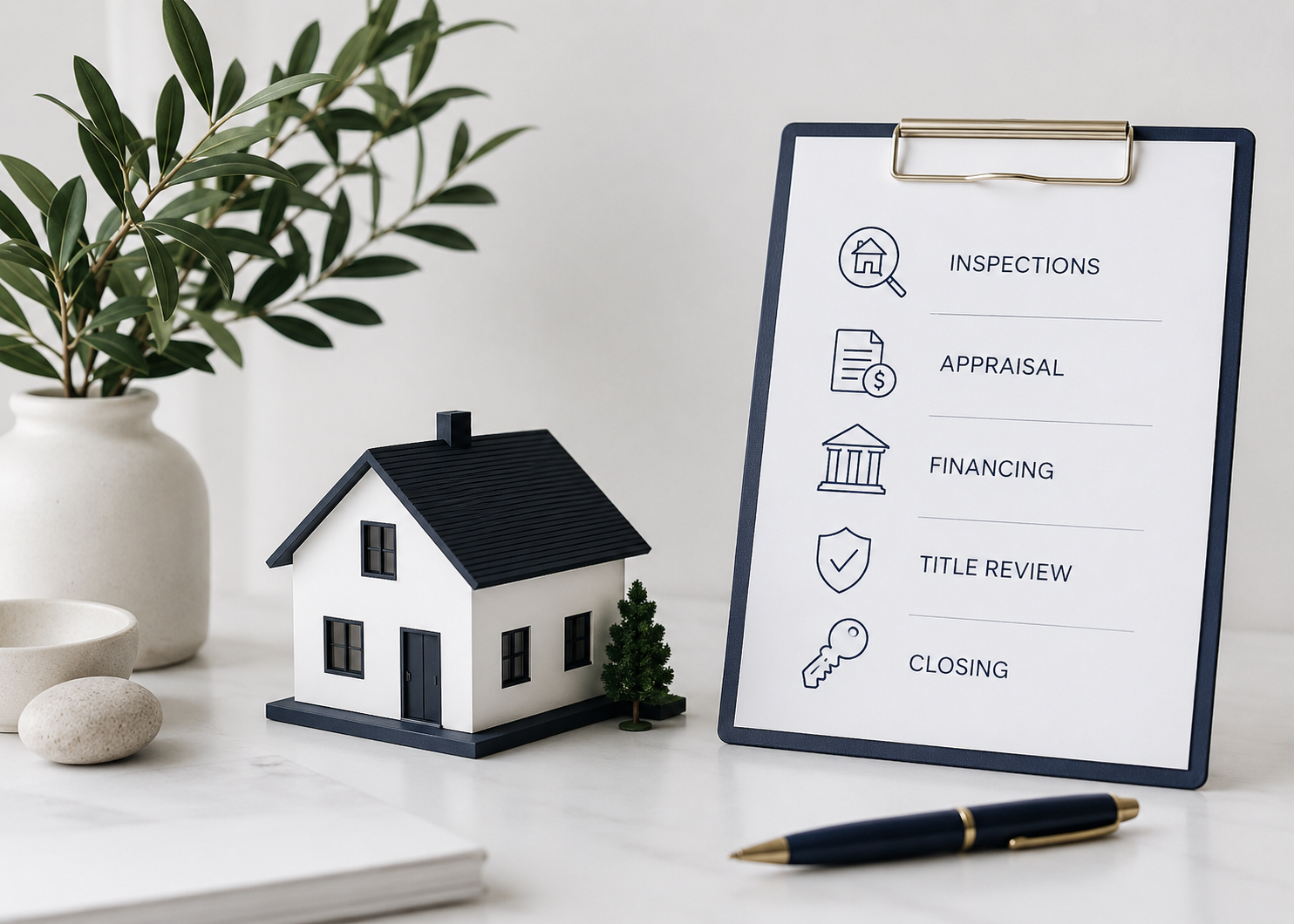
What Happens After You Accept an Offer?
Accepting an offer is an exciting milestone, but several important steps still take place before closing day. From inspections and repair negotiations to appraisal, financing, title work, and final closing coordination, the under contract phase involves many moving parts and contractual timelines. Below is a general overview of what sellers can typically expect after going under contract in a Texas real estate transaction.
-
Once a purchase contract is fully executed, the transaction officially moves into the “under contract” phase. In Texas real estate transactions, buyers typically deliver earnest money and any negotiated option fee to the title company within the timeframe outlined in the contract, commonly within 3 days after the effective date.
The earnest money is generally held in escrow by the title company until closing and may later be applied toward the buyer’s closing costs or down payment. During this stage, all contract deadlines become important, including inspections, financing timelines, appraisal requirements, title review, and closing preparation. Careful transaction coordination during this phase helps keep the sale moving forward smoothly and on schedule.
-
After going under contract, buyers commonly schedule a general home inspection along with any additional inspections they choose to perform, such as foundation, roof, HVAC, plumbing, electrical, pool, or pest evaluations.
Inspections give buyers an opportunity to better understand the property’s condition before the transaction moves further toward closing. It is common for inspections to identify maintenance items or repair recommendations, even in well-maintained homes.
During the inspection period, sellers may receive requests related to repairs, concessions, or additional evaluations depending on the findings. Not every inspection item necessarily becomes a negotiation point, and many transactions involve collaborative discussions to help both parties move toward closing.
-
If the buyer requests repairs or concessions following inspections, both parties may negotiate potential solutions based on the specific findings and overall contract terms. In Texas, repairs are not automatically required unless both parties agree to them in writing through a contract amendment.
Repair negotiations may involve safety concerns, major systems, lender-required repairs, deferred maintenance items, or financial concessions in lieu of repairs. Sellers may choose to complete repairs, offer credits or concessions when permitted, negotiate alternative terms, or decline requests depending on the circumstances.
Clear communication and realistic expectations are often important during this phase of the transaction, especially when balancing property condition, market conditions, and buyer expectations.
-
If the buyer is obtaining financing, the lender typically orders an appraisal to help determine the property’s market value for lending purposes. The appraiser evaluates the home based on comparable sales, condition, location, features, and current market activity.
If the appraisal meets or exceeds the contract price, the transaction generally continues moving forward through the financing process. If the appraisal comes in below the contract price, the parties may evaluate possible options depending on the contract terms and financing structure.
In some situations, additional negotiations may occur regarding pricing, buyer cash contribution, or contract amendments. Appraisal timelines and lender review requirements can vary depending on the financing type and lender processes.
-
During underwriting, the buyer’s lender performs a detailed review of the buyer’s financial qualifications and the property itself. This stage commonly includes verification of income, employment, assets, credit, debt obligations, appraisal results, insurance information, and other lender-required documentation.
The underwriting process is one of the most important phases of a financed transaction because final loan approval must typically occur before closing can take place. Delays may sometimes occur if additional documentation or lender conditions are required.
Throughout this stage, transaction coordination between the lender, title company, buyer, seller, and agents helps maintain communication regarding timelines, loan progress, and closing readiness.
-
The title company plays a central role in coordinating the closing process in Texas real estate transactions. During this phase, the title company reviews ownership history, liens, tax information, HOA documents when applicable, and other title-related matters before preparing final closing documents.
The title company also helps coordinate escrow, lender communication, payoff information, closing disclosures, and the transfer of funds. Sellers may receive requests for additional documentation related to identification, mortgage payoff information, surveys, or property disclosures during this process.
As closing approaches, both parties typically review final settlement figures, signing schedules, and possession timelines to help ensure a smooth closing experience.
-
As the closing date approaches, sellers often begin preparing for the transition out of the property. This may include coordinating movers, transferring utilities, organizing documents, completing agreed repairs if applicable, and preparing the home for the buyer’s final walkthrough.
Many sellers also use this stage to begin decluttering, packing non-essential items, and confirming possession timelines outlined in the contract. Proper preparation can help reduce stress during the final days leading up to closing.
If the transaction includes a leaseback or delayed possession agreement, additional coordination may be necessary regarding occupancy dates, moving schedules, and contractual timelines.
-
On closing day, sellers typically sign final transfer documents and coordinate with the title company, lender, and buyer to complete the transaction. In Texas, signing and funding do not always occur simultaneously. The transaction is generally considered fully closed once funding has occurred and the title company authorizes disbursement and release of possession according to the contract terms.
After funding, mortgage payoffs, commissions, taxes, and other closing expenses are typically distributed through the title company. Sellers should also plan to provide keys, garage remotes, alarm information, mailbox keys, and any agreed property access items at the appropriate time.
Careful coordination throughout the closing process helps support a smoother transition for all parties involved.
Why Marketing Matters
-
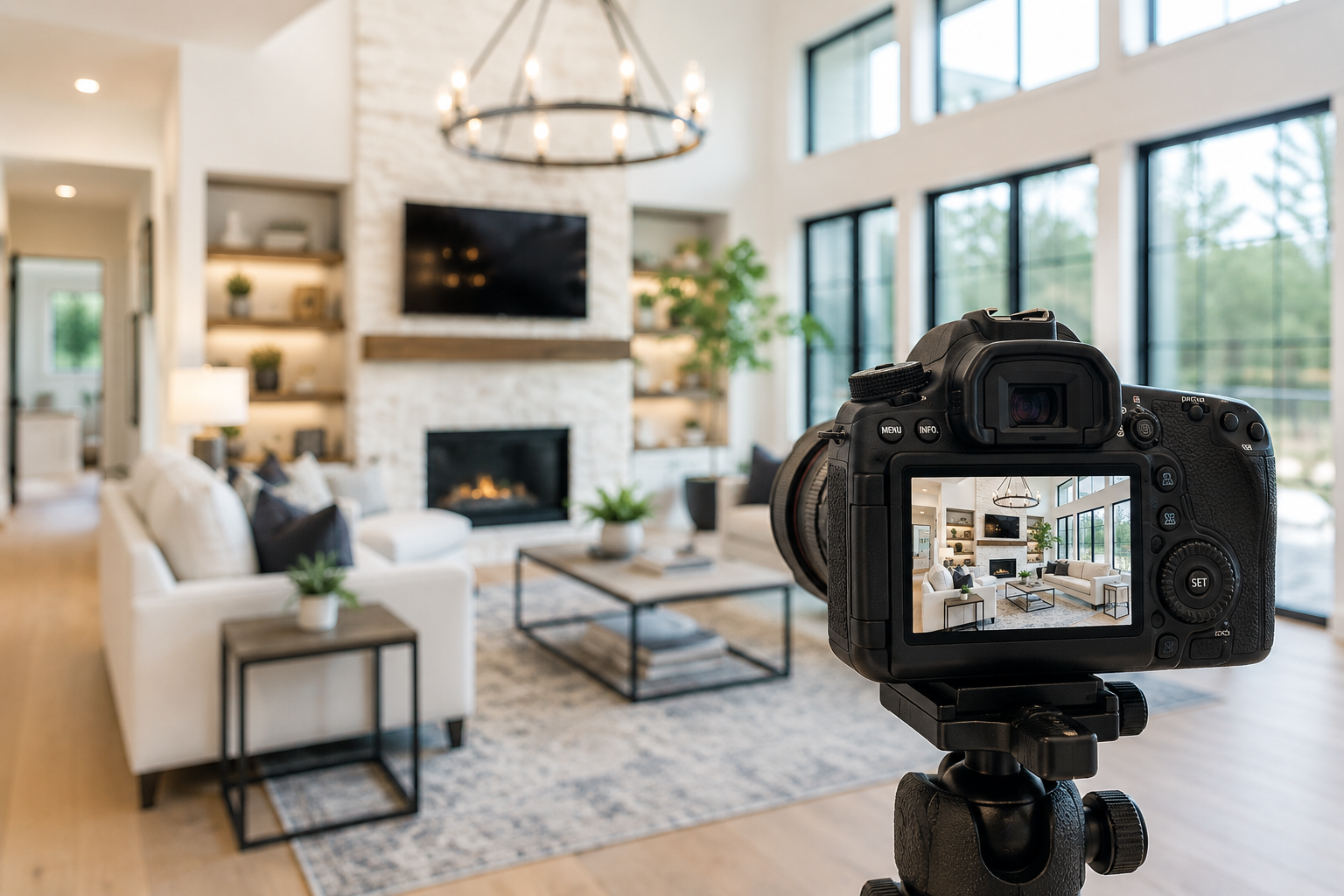
Professional Photography
Professional real estate photography plays a major role in creating strong first impressions online. High-quality images help showcase lighting, layout, scale, finishes, and overall presentation while helping listings stand out in competitive North Dallas real estate markets. Since many buyers begin their home search online, strong visual presentation is often one of the most important components of effective home marketing.
-

Cinematic Video Marketing
Video marketing helps buyers experience the flow, layout, and lifestyle of a property in a more immersive way than photos alone. Cinematic listing videos can highlight architectural details, outdoor living spaces, neighborhood surroundings, and the overall feel of the home while increasing engagement across digital platforms and social media channels.
-
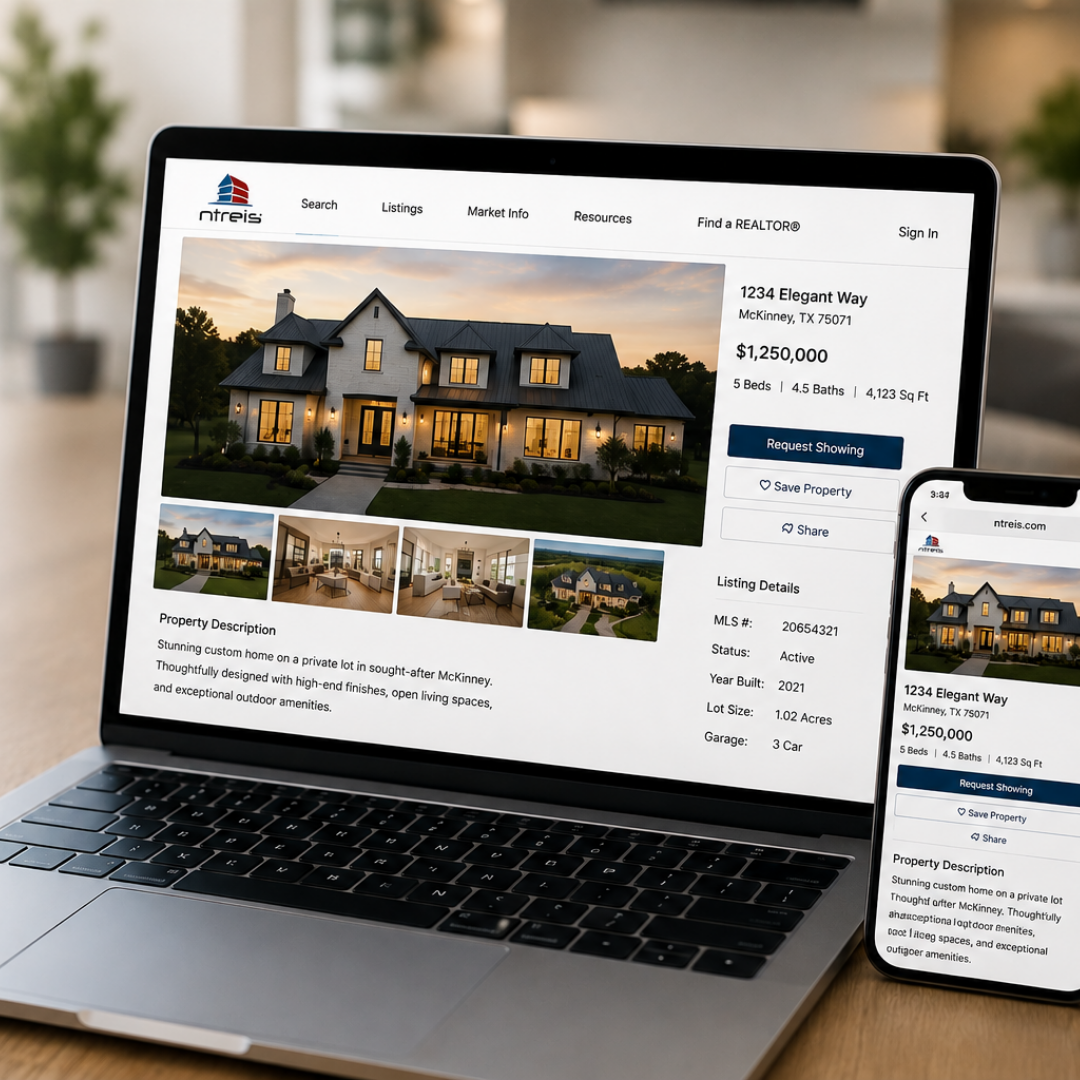
MLS Exposure
The Multiple Listing Service (MLS) remains one of the most important tools for exposing a property to buyers and real estate agents throughout North Texas. Accurate listing data, compelling property descriptions, professional media, and strategic presentation can help maximize visibility and ensure buyers searching in McKinney, Frisco, Prosper, Celina, and surrounding communities can easily discover the property online.
-

Social Media Advertising
Social media marketing helps expand listing visibility beyond traditional real estate platforms. Strategic promotion across platforms such as Facebook, Instagram, YouTube, and other digital channels can help generate additional exposure, increase engagement, and place listings in front of buyers actively searching for homes in North Dallas communities.
-

Digital Marketing
Modern home marketing extends far beyond placing a listing online. Digital marketing strategies may include search optimization, online advertising, email campaigns, retargeting, website promotion, video distribution, and targeted digital exposure designed to increase visibility and attract qualified buyer interest throughout the marketing process.
-
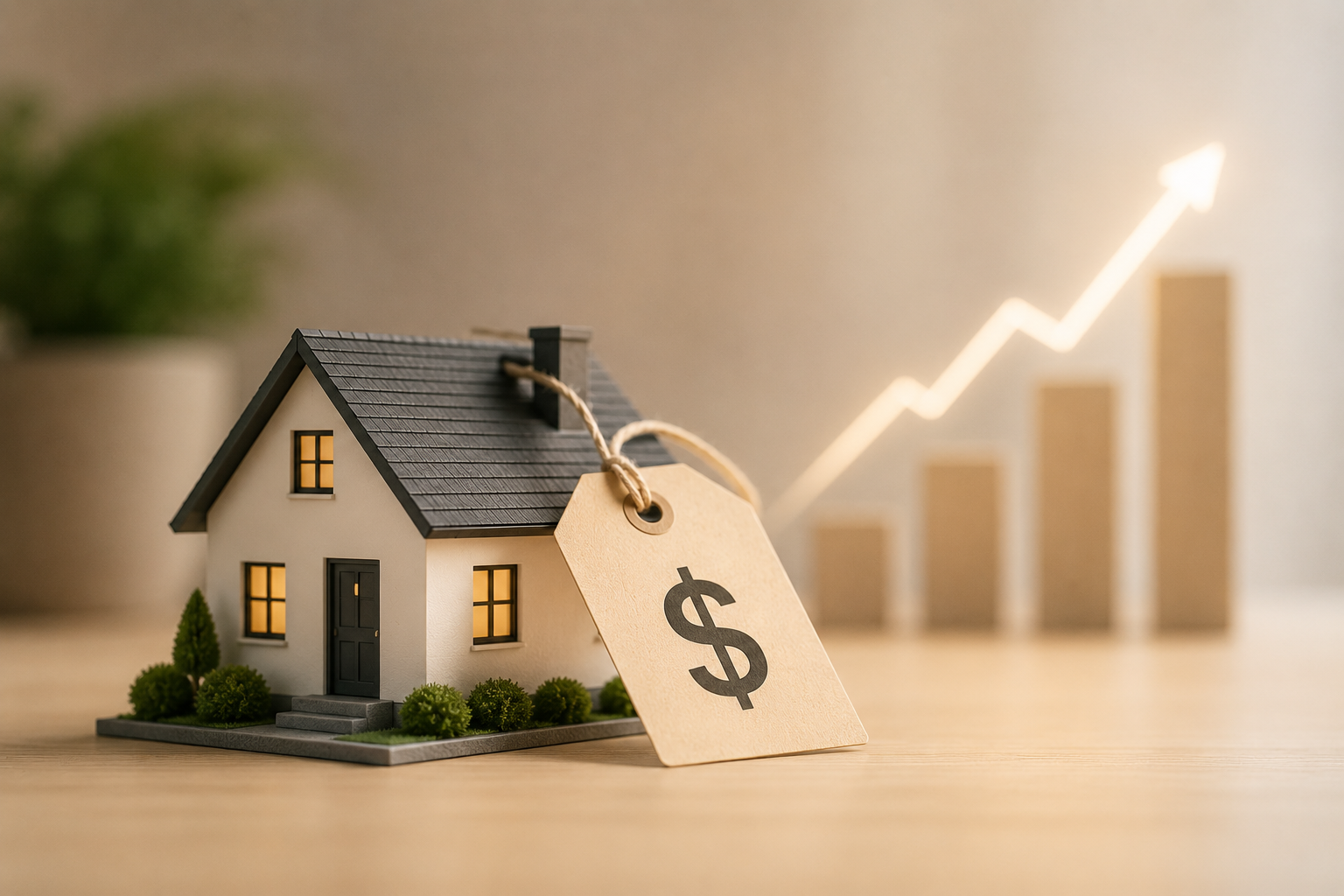
Strategic Pricing
Pricing strategy is one of the most important factors in a successful home sale. Effective pricing considers comparable sales, market conditions, inventory levels, buyer demand, location, condition, updates, and overall competition within the North Dallas housing market. Strategic pricing aims to maximize interest, strengthen buyer activity, and position the property competitively from the start.
-

Community Targeting
Different buyers are often drawn to different communities based on lifestyle preferences, commute considerations, schools, amenities, architecture, or overall neighborhood atmosphere. Targeted marketing helps position a property in front of buyers specifically searching for homes in communities such as McKinney, Prosper, Frisco, Plano, Allen, Celina, and surrounding North Texas areas.
-

Open Houses
Open houses can provide additional opportunities for buyers to experience the home in person while increasing overall market exposure. Depending on the property, location, and market conditions, open houses may help generate additional traffic, create buyer interest, encourage feedback, and support overall marketing momentum during the listing period.
-

Buyer Network Exposure
Real estate marketing often extends beyond public websites alone. Exposure through agent relationships, buyer networks, relocation contacts, social channels, and local market connections may help increase awareness of a property among active buyers and agents currently searching for homes within the North Dallas real estate market.
Your Home Deserves More Than Basic Marketing
Effective home marketing is about more than simply placing a listing online. Strategic pricing, professional presentation, targeted digital exposure, and local market expertise all play an important role in attracting qualified buyers and maximizing overall visibility in the North Dallas real estate market.
Seller Resources

Seller Guide

Home Value Request

Moving Checklist

Staging Tips

Net Proceeds Calculator
Preparing Your Home for Market

Frequently Asked Questions
Buying a home comes with many important decisions, timelines, and moving parts — especially in today’s North Dallas real estate market. Below are answers to some of the most common questions buyers have about financing, inspections, contracts, closing costs, new construction, and the overall home buying process in Texas. Whether you are purchasing your first home, relocating to the area, or planning your next move, these FAQs are designed to help you better understand what to expect throughout the process.
-
A home’s value is typically determined by evaluating several factors, including recent comparable sales, location, lot size, condition, upgrades, layout, neighborhood demand, inventory levels, and current market trends. In North Dallas communities such as McKinney, Frisco, Prosper, Allen, and Celina, pricing can also vary significantly based on school districts, community amenities, and buyer demand within specific neighborhoods.
A comparative market analysis (CMA) is commonly used to help estimate a competitive listing price by reviewing similar recently sold homes, active listings, pending sales, and overall market conditions. Strategic pricing is important because overpricing may reduce buyer activity, while pricing competitively can help generate stronger interest and market exposure.
-
In many cases, completing certain repairs or maintenance items before listing can help improve buyer perception and overall marketability. Buyers often respond more positively to homes that appear clean, well-maintained, and move-in ready.
Not every repair necessarily provides a strong return on investment, so sellers commonly focus on items that impact presentation, functionality, or first impressions. Examples may include paint touch-ups, lighting updates, flooring improvements, landscaping, HVAC servicing, or addressing visible deferred maintenance.
The best approach often depends on the property condition, price point, neighborhood competition, and current market conditions within the North Dallas real estate market.
-
The highest return on investment often comes from improvements that enhance presentation, functionality, and overall buyer appeal rather than highly customized renovations. In many North Dallas real estate markets, updates such as fresh paint, flooring improvements, landscaping, lighting, kitchen refreshes, bathroom updates, and curb appeal enhancements can positively impact buyer perception.
Professional cleaning, decluttering, staging, and improving overall presentation may also help increase buyer interest without requiring major renovations. Larger remodeling projects do not always guarantee a full financial return, especially if the updates exceed neighborhood expectations.
The best improvements typically depend on the home’s condition, target buyer demographic, competition, and price range.
-
The timeline to sell a home can vary based on pricing strategy, condition, location, inventory levels, seasonality, and overall buyer demand within the North Dallas housing market. Some homes receive strong interest quickly after listing, while others may take longer depending on market conditions and competition.
Once a home goes under contract, closing timelines in Texas commonly range from approximately 20 to 45 days depending on financing, inspections, appraisal timelines, title work, and lender requirements. Cash transactions may sometimes close more quickly.
Preparation before listing can also impact timing. Professional photography, staging, pricing strategy, and marketing preparation are often completed before the home officially goes live on the market.
-
Seller closing costs in Texas may vary depending on the transaction structure, negotiated contract terms, mortgage payoff amounts, title-related expenses, prorated taxes, HOA fees, and other closing-related items.
In many Texas transactions, sellers may commonly pay expenses such as real estate commissions, title policy costs, property tax prorations, HOA transfer fees when applicable, and existing loan payoffs. Additional negotiated costs may vary depending on the contract terms agreed upon by the buyer and seller.
Closing costs are typically finalized through the title company prior to closing, and sellers generally receive a settlement statement outlining estimated proceeds and transaction expenses before funding.
-
Home staging can help improve overall presentation and allow buyers to better visualize the layout, scale, and functionality of a home. Even partial staging or strategic furniture arrangement may help rooms appear more open, inviting, and marketable in both photography and in-person showings.
In many North Dallas real estate markets, professionally presented homes often create stronger first impressions online, where most buyers begin their search. Staging may also help highlight architectural features, maximize lighting, and reduce distractions caused by clutter or overly personalized spaces.
Staging recommendations can vary depending on the property type, price point, occupancy status, and target buyer demographic.
-
After inspections are completed, buyers may request repairs, concessions, credits, or additional evaluations depending on the inspection findings. In Texas real estate transactions, repairs are generally negotiated between the parties and are not automatically required unless both sides agree in writing through a contract amendment.
Repair negotiations may involve safety concerns, major systems, deferred maintenance items, or lender-required repairs. Sellers may choose to complete repairs, negotiate alternative terms, offer concessions when permitted, or decline requests depending on the specific circumstances and contract structure.
Clear communication and realistic expectations are often important during this phase of the transaction.
-
Yes, many homeowners coordinate the sale of their current home while purchasing another property. The process often involves careful planning around financing, timing, contingencies, possession dates, and closing schedules.
Some sellers choose to sell first before purchasing, while others may purchase before selling depending on financial qualifications and overall market conditions. In certain situations, leaseback agreements or temporary housing solutions may help provide additional flexibility during the transition.
Because timing can vary between transactions, coordination between lenders, title companies, agents, and all parties involved is often important to help reduce stress and minimize scheduling conflicts during the move.
-
The North Dallas real estate market experiences activity throughout the year, but seasonal trends can influence buyer demand, inventory levels, and overall competition. Spring and early summer are often considered active selling seasons because many buyers prefer to move before a new school year begins.
However, the “best” time to sell can also depend on factors such as inventory levels, interest rates, local economic conditions, neighborhood demand, and the specific property type. In some markets, lower inventory during fall or winter months may create less competition for sellers.
Preparation, pricing strategy, presentation, and marketing often play a major role regardless of the season.
-
Offers are typically evaluated based on more than just the purchase price alone. Sellers often consider financing strength, earnest money, option period terms, closing timelines, contingencies, appraisal risk, buyer flexibility, and overall contract structure.
For example, a higher-priced offer with weaker financing or extensive contingencies may not always be more attractive than a slightly lower offer with stronger terms and fewer risks. Cash offers, lender reputation, down payment size, and overall transaction strength may also influence negotiations.
Carefully reviewing the full contract terms can help sellers better understand the strengths and potential risks associated with each offer.
-
If a home appraises below the contract price, the buyer’s lender may limit financing based on the appraised value rather than the agreed purchase price. When this occurs, the parties may negotiate possible solutions depending on the contract terms and financing structure.
Potential outcomes may include renegotiating the purchase price, the buyer increasing their cash contribution, additional appraisal review requests through the lender, or other mutually agreed adjustments. In some situations, the transaction may continue without changes, while in others additional negotiations may occur.
Pricing strategy, comparable sales, and market conditions can all influence appraisal outcomes in the North Dallas housing market.
-
Open houses can still be a useful component of an overall marketing strategy depending on the property, location, price point, and market conditions. They may help increase visibility, generate additional foot traffic, encourage neighborhood exposure, and create opportunities for buyers to experience the home in person.
While many buyers begin their home search online, in-person exposure can still influence buyer interest and emotional connection to the property. Open houses may also help generate feedback regarding pricing, presentation, and overall market response.
The effectiveness of an open house often depends on preparation, marketing, timing, weather, and current buyer activity within the local market.
-
Showings are typically scheduled through a centralized showing service or coordinated directly between agents according to the seller’s availability and showing instructions. Sellers commonly receive advance notice before buyers tour the property, although specific notice periods may vary.
Before showings, sellers often prepare the home by cleaning, decluttering, securing valuables, and maximizing overall presentation. During the showing process, buyers and their agents tour the property privately while evaluating layout, condition, features, and overall fit.
Flexibility with showing availability may help maximize buyer exposure, especially during the initial days after listing when buyer interest is often strongest.
-
Closing is the final stage of the real estate transaction where documents are signed, funds are transferred, and ownership officially changes hands. In Texas, the title company coordinates much of the closing process, including escrow, lender communication, title review, document preparation, and disbursement of funds.
Sellers typically sign closing documents related to the transfer of ownership, mortgage payoff authorization, and settlement statements. After all required funds are received and the transaction is funded, the title company authorizes closing and possession is transferred according to the contract terms.
Sellers also typically provide keys, garage remotes, alarm information, and other property-related access items at closing.
-
Selling a home involves much more than simply placing a property online. A Realtor helps coordinate pricing strategy, marketing presentation, professional photography, negotiations, contract timelines, transaction coordination, showings, and communication throughout the selling process.
In competitive North Dallas real estate markets, strategic pricing, digital marketing exposure, local market knowledge, and negotiation guidance can play an important role in overall transaction success. Realtors also help manage contract deadlines, coordinate with title companies and lenders, and navigate inspections, appraisal issues, and closing preparation.
Professional guidance throughout the transaction can help sellers better understand the process while maintaining organization and communication from listing through closing.
Still Have Questions About Selling a Home?
Thinking About Selling Your Home?
Whether you’re preparing to move across town or relocate out of North Texas, we provide strategic pricing, professional marketing, and personalized guidance throughout every stage of the selling process.